How Can Wireless Networks Support Mine Conveyor Inspection Robots?
2026.11.24 / By Sailsky
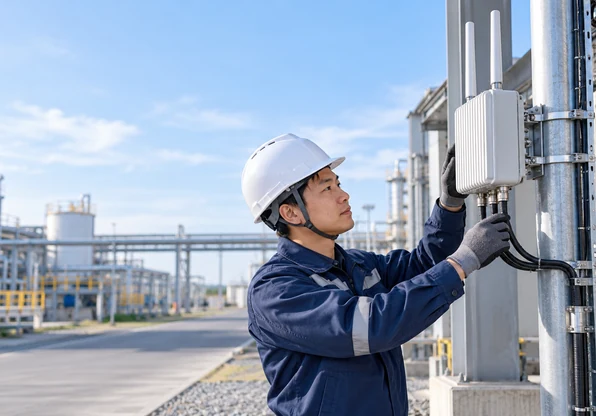
A large phosphate ore processing plant in uses a rail-mounted inspection robot. Sailsky supplied BL5000 Air AP equipment for its wireless link. The network supports conveyor inspections.
Quick Answer
Rail-mounted inspection robots need stable wireless links. They send HD video and equipment data as they travel. In this project, BL5000 Air AP equipment also supports remote control and plant-management data links.
Phosphate Processing Plant Conveyor Inspection Project
The documented plant is a major phosphorite concentrate production base. Its belt conveyors have a combined length of more than 20,000 metres. Previously, teams relied mainly on manual rounds. This approach could leave gaps, missed checks and lower inspection efficiency.
The rail-mounted robot fits the mine’s complex environment and long inspection routes. It performs routine checks along the conveyors. As a result, the plant can monitor key conveyor locations around the clock.
Wireless Connectivity for Long Conveyor Inspection Routes
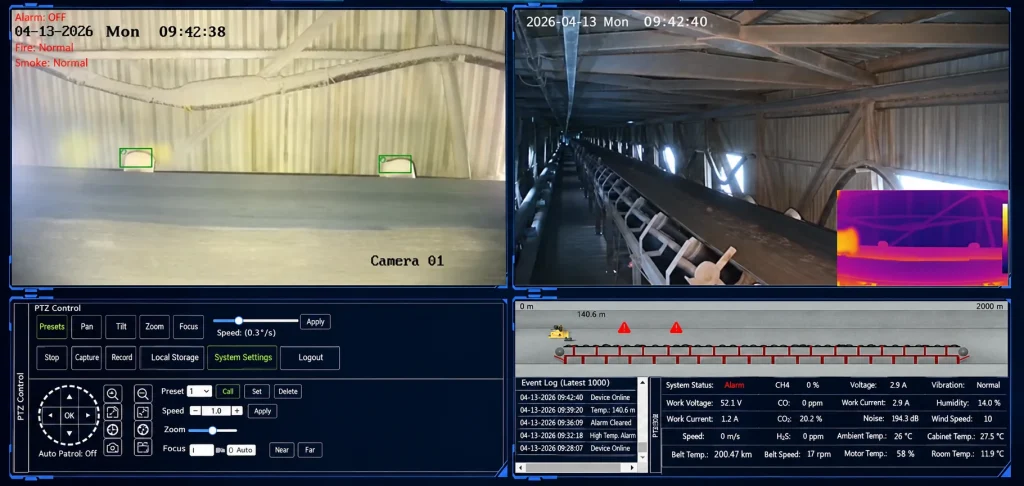
BL5000 Air AP equipment provides wireless coverage for the robot as it moves along the conveyor route. The system returns HD video. It also sends equipment data in real time and supports remote control.
The site has high dust, high noise and complex electromagnetic conditions. Therefore, the project uses industrial wireless connectivity as the communications foundation for the inspection system. This link helps the robot stay connected during long inspection runs.
Supporting the Robot’s Inspection Workflow
The wireless network supports the robot system. It does not perform the inspection itself. Instead, the robot monitors conveyor and processing-equipment conditions. The network carries its video, data and control traffic.
Inspection Functions and Plant Management Integration
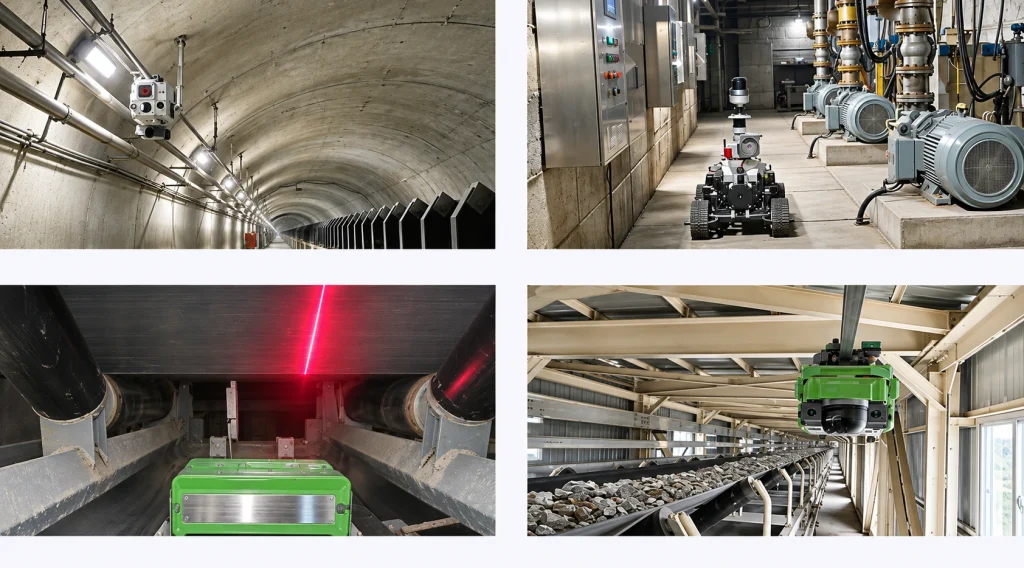
The robot system can detect belt misalignment and abnormal roller noise. It can also monitor cable-joint temperature, pipeline leaks, hazardous gases, personnel intrusion and area temperature. Together, these functions cover key points across the belt-transport system.
Next, the system can connect inspection data with the existing production-management platform. It records data and sends alarm notifications. Multi-level alarm management lets the plant set recipients, notification frequency and response rules for each alarm level.
Faster Visibility of Site Exceptions
As a result, managers can see abnormal conditions faster and respond more efficiently. The approved site system still defines the final inspection scope, alert settings and operating procedures.
Frequently Asked Questions
What communications does the conveyor inspection robot need?
In this project, the robot uses wireless communications for HD video, real-time equipment data and remote control. It uses these links while it travels along the conveyor route.
What can the inspection robot monitor?
The project record lists belt deviation, abnormal roller noise and cable-joint temperature. In addition, it lists pipeline leaks, hazardous gases, personnel intrusion and area temperature.
Contact Sailsky
Contact Sailsky to discuss the conveyor route, traffic, backhaul and operating requirements. For OEM/ODM projects, share the robot-integration, enclosure, firmware and network-management requirements with our team.